Why Your Check Engine Light Is On — And What You Should Do Next
Diagnostic & Repair Education
Why your check engine light may be on
What the warning means and when to take action
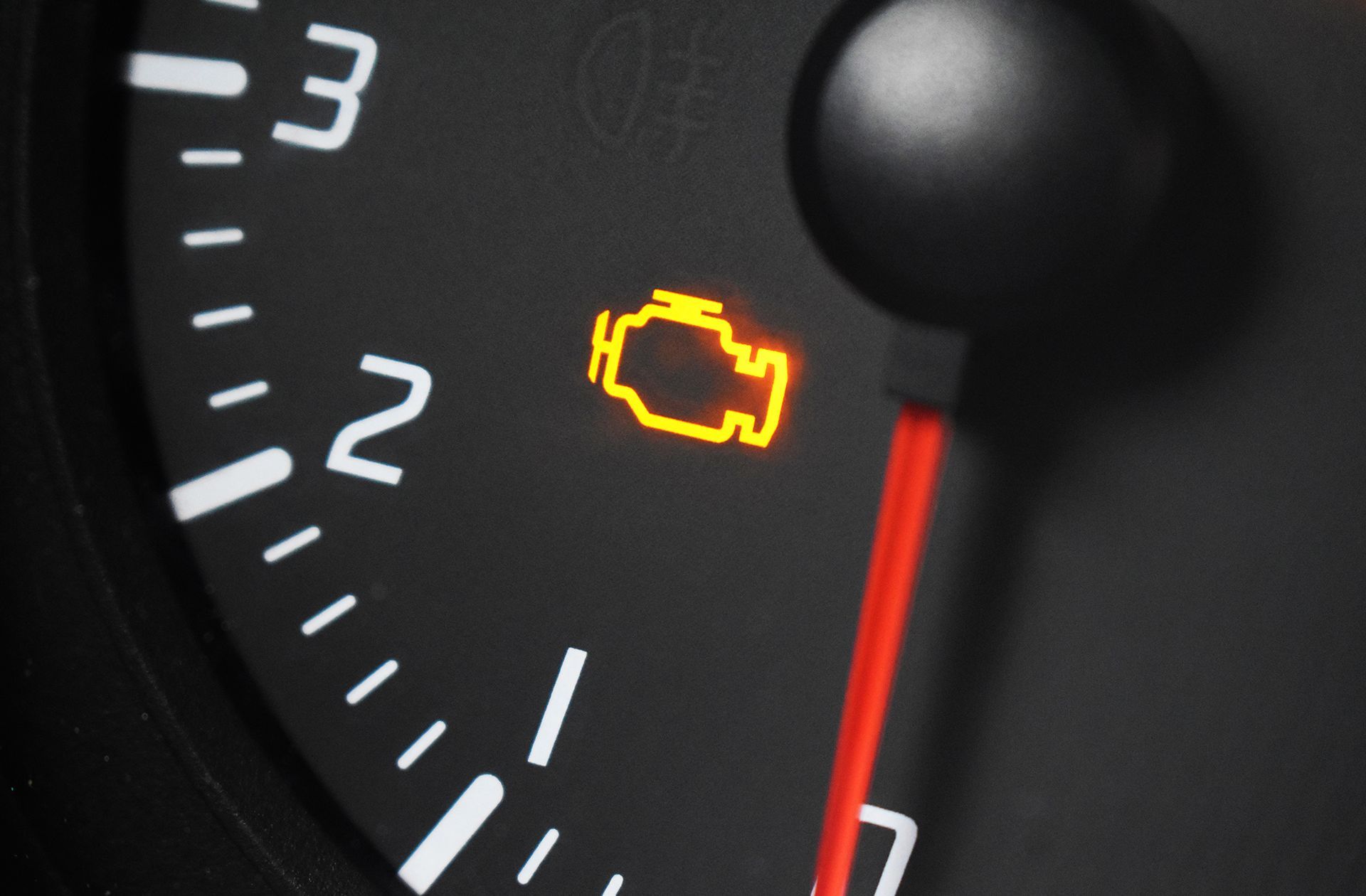
Few things are more unsettling than seeing the Check Engine Light appear on your dashboard. Whether it comes on at startup or while driving, it signals that something within your vehicle’s performance, emissions, or control systems needs attention. While some causes are serious, others are relatively simple. The key is identifying the issue accurately before it leads to further damage.
At Lindsey Bimmer Service, we use manufacturer-level diagnostic software such as ISTA and ODIS, the same systems used by European dealerships, to read fault codes and interpret them exactly as the vehicle manufacturer intended. Here are some of the most common reasons your Check Engine Light may be on.
1. Loose or faulty gas cap
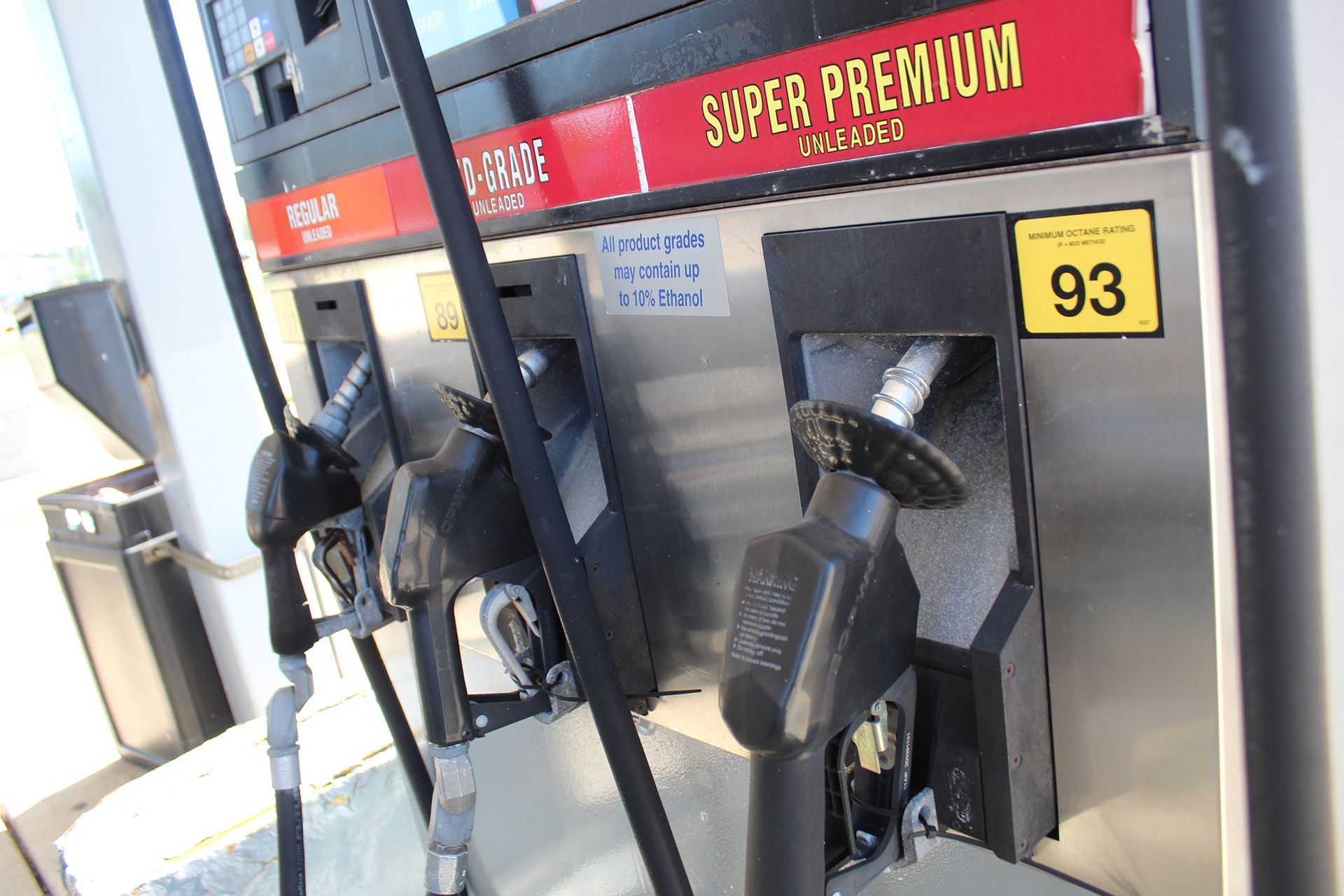
This is one of the most common and easily overlooked causes. A loose, damaged, or worn gas cap can disrupt fuel system pressure and trigger the warning light.
In many cases, tightening or replacing the cap resolves the issue quickly.
2. Failing oxygen or mass airflow sensors
These sensors monitor airflow and fuel mixture to ensure proper engine operation. When they fail, you may experience:
- Rough idling
- Poor fuel economy
- Sluggish acceleration
- Hard starts
If left unaddressed, faulty sensors can contribute to catalytic converter damage over time.
3. Ignition coil or spark plug issues
Ignition components are a common failure point on many European vehicles. Symptoms may include:
- Misfires
- Vibrations
- Loss of power
- A flashing Check Engine Light
A flashing warning light indicates a severe misfire and should be addressed immediately, as continued driving can damage emissions components.
4. Vacuum or PCV system leaks
European crankcase ventilation and vacuum systems are complex and sensitive. When leaks develop, they may cause:
- Whistling or hissing noises
- Lean mixture fault codes
- Rough running
- Oil leaks or smoke
These problems often become more noticeable during colder weather.
5. Catalytic converter or emissions system concerns
If your vehicle feels sluggish or struggles to accelerate, emissions-related components may be failing. In many cases, this is the result of unresolved maintenance or ignition issues rather than the converter itself.
6. Transmission or drivetrain-related faults
Some Check Engine Light codes are related to drivetrain communication rather than the engine alone. These may involve:
- Transmission control modules
- Transfer case systems
- Drivetrain sensors
Factory-level diagnostics are critical for identifying these issues accurately.
What you should do next
A Check Engine Light should never be ignored. The safest approach is to:
- Check your gas cap first
- Pay attention to symptoms such as misfires, rough idle, smells, or smoke
- Schedule a diagnostic evaluation with a European vehicle specialist
Driving with an active warning can turn a minor issue into a major repair.
Expert diagnostics you can trust
Lindsey Bimmer Service has the tools, training, and factory-level diagnostic capability to accurately identify and repair Check Engine Light concerns across BMW, MINI, Audi, Volkswagen, Porsche, Mercedes-Benz, and other European vehicles.
If you see a warning light, let our team help you get clear answers and the right solution.